What Can You Give a Cat for Bad Teeth
Why do pets experience dental pain? 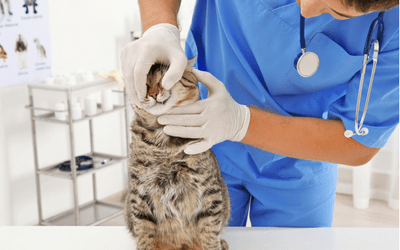
According to the American Veterinarian Dental Order, over 70% of cats have signs of dental disease by the time they accomplish 3 years of age. While you lot may think of dental disease every bit being primarily a cosmetic issue, the truth is that dental illness tin besides exist painful for pets. Inflammation of the gums (gingivitis) can be uncomfortable on its own, while some pets may have more serious problems such as fractured teeth, tooth root abscesses, and oral tumors.
What are the signs of dental pain in cats?
Dental pain in cats may take on a wide variety of appearances, depending on the caste of pain and the cat's personality.
In some cases, an afflicted cat may non show any outward signs of pain. Dental hurting may but be apparent on a veterinarian exam, when the veterinarian or veterinarian technician uses a dental probe to utilize pressure around the root of the tooth.
In some cases, withal, y'all may observe signs of oral hurting at home. These signs may include:
- decreased interest in eating dry out nutrient
- decreased involvement in hard treats
- chewing more slowly than usual
- dropping food from the mouth while chewing
- excessive drooling
- pawing at the mouth
- new or worsening resistance to having the confront/mouth touched
If your cat is showing any of these signs, she may be experiencing dental pain. In addition to these signs, which clearly reverberate pain, other signs of dental illness may also advise the likelihood of dental hurting. These signs may include bad jiff, visibly loose teeth, or swelling of the muzzle.
What is the best treatment for cats with dental hurting?
The only effective treatment for dental pain is to address the cat's underlying dental disease. While pain medication may aid decrease pain levels for a short time, the pain will continue to recur until the underlying effect is addressed.
"The merely effective treatment for dental hurting is to
address the cat'due south underlying dental disease."
Your veterinary will probable recommend a comprehensive oral wellness assessment and treatment, to be performed nether general anesthesia. Starting time, your veterinary will perform a pre-anesthetic exam and laboratory evaluation (typically a complete blood cell count and serum biochemistry), in order to assess your cat's overall health prior to anesthesia. Your cat will then exist fully anesthetized to permit a complete oral evaluation and dental cleaning. The tartar volition exist scaled off your cat's teeth, allowing the entire tooth to be visualized. Dental radiographs (10-rays) may also be performed, to allow evaluation of the tooth roots and problems that may occur nether the gumline. Your veterinarian will also perform a thorough oral exam, carefully evaluating each of your cat's teeth and the gum tissues.
In one case your true cat'southward teeth have been thoroughly cleaned and evaluated, your veterinarian will devise a handling programme for whatever dental issues that accept been discovered. Dental treatments may include extractions of diseased teeth or advanced dental procedures such as a root culvert. These procedures may exist performed on the same day equally the cleaning but, in advanced cases, your veterinarian may spread the dental procedures over multiple visits to minimize anesthesia time and stress to your true cat. Additionally, your veterinary may prescribe oral medications (antibiotics or pain medication) for your cat.
Tin can dental hurting be prevented?
The best way to prevent dental pain is to ensure that your cat receives regular dental care. There are two components to dental care: home care and veterinary care.
"The best way to prevent dental hurting is to ensure
that your cat receives regular dental care."
The optimal abode dental care is to brush your cat'south teeth daily. The goal of brushing is to remove plaque (the fuzzy accumulation of nutrient particles and bacteria that develops on teeth) from teeth. Once plaque sits on the teeth for approximately 24 hours, it begins to harden into tartar, and then it is important to brush your cat's teeth daily. If your cat will not tolerate daily brushing, your veterinary may be able to offer tips to make brushing more tolerable. Alternatively, your veterinarian can recommend oral rinses and/or medicated chews that may aid promote your cat'southward oral wellness.
Regular veterinary dental care is also important to your cat'due south oral health. In general, most cats should have a comprehensive oral health cess and treatment (anesthetized dental cleaning) once yearly. Young cats may be able to go a couple of years before their first dental cleaning, depending on their genetic predispositions and the effectiveness of your home care, while some older cats may need dental care as oft as every 6 months.
Source: https://vcahospitals.com/know-your-pet/dental-pain-in-cats
0 Response to "What Can You Give a Cat for Bad Teeth"
Postar um comentário